Southern & Eastern Circuit

Step Off the Beaten Path and Into Tanzania’s Hidden Wilds

About Southern & Eastern Circuit

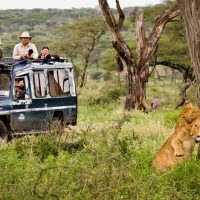
The Southern & Eastern Circuits showcase Tanzania’s wildest, most unspoiled landscapes — a realm of boundless wilderness and serene beauty. Far from the busy tourist trails, this region stretches across vast savannahs, ancient forests, and winding rivers that define the true heart of untamed Africa. Here, travelers experience the quiet side of safari — where the only sounds are rustling grass, bird calls, and the distant roar of a lion. It’s a haven for explorers who crave authentic, off-the-beaten-path adventures, blending nature, solitude, and discovery in perfect harmony.

Wildlife & Nature

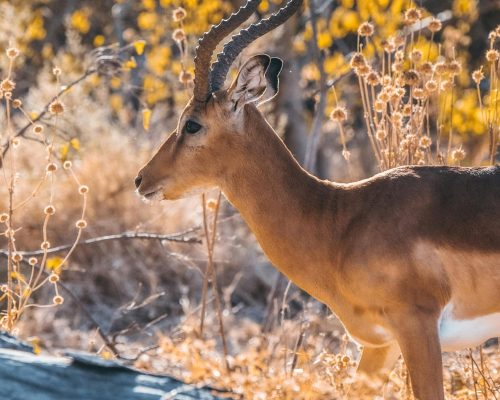
The Southern & Eastern Circuits are a paradise for wildlife enthusiasts. The iconic Nyerere National Park (formerly Selous) shelters large elephant herds, crocodile-filled rivers, and the endangered African wild dog, while Mikumi National Park offers wide-open plains reminiscent of the Serengeti. In the Udzungwa Mountains, ancient rainforests thrive with rare primates, waterfalls, and endemic plant life. Together, these parks form an ecological masterpiece — one that celebrates biodiversity, dramatic scenery, and the raw power of nature untouched by time.

Travel Experience & Accommodation

A journey through this circuit feels deeply personal and immersive. Travelers can embark on boat safaris along the Rufiji River, walking safaris guided by rangers, or scenic hikes through forested mountain trails. Unlike the bustling northern routes, safaris here offer a slower pace, ideal for connecting with the land and its rhythms. After a day in the wild, guests retreat to intimate riverside lodges, boutique tented camps, or eco-chic lodges that blend seamlessly with nature. Evenings bring candlelit dinners under star-filled skies — where comfort, tranquility, and adventure meet in perfect balance.

Destinations in the Northern Circuit

Udzungwa Mountains National Park

Where waterfalls meet rainforest trails — a paradise for hikers, nature lovers, and explorers.

Destination Overview

Known as the “Galápagos of Africa”, Udzungwa Mountains National Park is one of Tanzania’s most biodiverse regions — home to ancient rainforests, scenic mountain peaks, and a remarkable range of wildlife found nowhere else on Earth. The park is famous for its Sanje Waterfall, one of the tallest in Tanzania, and its network of lush hiking trails that wind through misty forests rich with rare primates, butterflies, and endemic plant species.
Visitors can enjoy guided treks, swim beneath cascading falls, and explore local villages to experience authentic cultural life at the foot of the mountains. It’s a destination for those who seek nature, peace, and connection — far from the traditional safari crowds.

The Ideal Safari Seasons

Jan
Feb
Mar
Apr
May
Jun
Jul
Aug
Sep
Oct
Nov
Dec

Udzungwa Climate

Dry Season (June – October)

Cooler weather and clear skies make it ideal for hiking and sightseeing. Trails are dry, waterfalls are accessible, and wildlife is easier to spot.

Wet Season (November – May)

Rainfall transforms the park into a green paradise with flowing waterfalls and blooming vegetation. A great time for photography and birdwatching.

Temperature Range

Daytime temperatures range from 20–27°C (68–81°F), while nights can drop to 13–17°C (55–63°F), especially in higher altitudes.

Udzungwa Mountains National Park Location

Nyerere National Park

Where the mighty Rufiji River breathes life into Africa’s largest protected wilderness

Destination Overview

Formerly part of the vast Selous Game Reserve, Nyerere National Park is Africa’s largest protected area — a sanctuary of untamed beauty stretching across more than 30,000 square kilometers. It is a landscape of rivers, wetlands, miombo woodlands, and open plains, teeming with elephants, lions, hippos, crocodiles, and the endangered African wild dogs. Unlike the busier northern parks, Nyerere offers an exclusive and tranquil safari experience with opportunities for boat safaris, walking safaris, and game drives along the great Rufiji River. This is where adventure meets serenity — wild, raw, and breathtakingly real.

The Ideal Safari Seasons

Jan
Feb
Mar
Apr
May
Jun
Jul
Aug
Sep
Oct
Nov
Dec

Nyerere National Park Climate

Dry Season (June – October)

Clear skies, low humidity, and little rainfall. Vegetation becomes sparse, concentrating wildlife around the Rufiji River and its lagoons — ideal for safaris and photography.

Wet Season (November – May)

Brings lush green landscapes and vibrant birdlife. Short rains begin in November and heavier rains follow from March to May. Boat safaris are spectacular during this period.

Temperature Range

Daytime temperatures range between 25–33°C (77–91°F), while nights remain warm at around 18–22°C (64–72°F).

Nyerere National Park Location

Mikumi National Park

Tanzania’s hidden gem for easy-access safaris and classic wildlife encounters.

Destination Overview

Mikumi National Park, often called the “mini Serengeti”, lies between the Uluguru and Lumango mountain ranges, offering a scenic blend of open savannah and rolling hills. It’s one of Tanzania’s most accessible parks — just a few hours’ drive from Dar es Salaam — making it perfect for short safaris or weekend getaways.
The park is home to elephants, lions, giraffes, buffaloes, zebras, wildebeests, and an impressive array of birds. The Mkata floodplain forms the heart of Mikumi, providing excellent game-viewing opportunities throughout the year. Visitors can enjoy game drives, birdwatching, and visits to nearby cultural villages, with panoramic views of the African landscape stretching endlessly.

The Ideal Safari Seasons

Jan
Feb
Mar
Apr
May
Jun
Jul
Aug
Sep
Oct
Nov
Dec

Mikumi National Park Climate

Dry Season (June – October)

The weather is sunny and dry with average daytime temperatures between 25–30°C (77–86°F). Vegetation is thinner, and animals gather near waterholes — ideal for photography and game drives.

Wet Season (November – May)

Characterized by short and long rains, the park turns lush and green. It’s a beautiful time for birdwatching and landscape photography, though some areas may become muddy.

Temperature Range

Daytime temperatures: 25–32°C (77–90°F)
Nighttime temperatures: 15–20°C (59–68°F)

Mikumi National Park Location

Saadani National Park

Where the bush meets the beach — Tanzania’s only park where elephants roam beside the ocean waves.

Saadani National Park

Saadani National Park offers a rare combination of savannah and seashore, creating one of the most unique safari experiences in East Africa. Located along Tanzania’s northern coast, it’s the only national park in the country that borders the Indian Ocean, allowing visitors to enjoy both wildlife and beach relaxation in one trip.

Here, you can spot elephants and giraffes wandering near the sand dunes, observe hippos and crocodiles in the Wami River, and watch dolphins play in the ocean. The park is also home to lions, buffaloes, and a wide range of birdlife. Visitors can explore through game drives, boat safaris, and beach walks — making Saadani perfect for travelers seeking an offbeat yet unforgettable experience.

The Ideal Safari Seasons

Jan
Feb
Mar
Apr
May
Jun
Jul
Aug
Sep
Oct
Nov
Dec

Tarangire National Park Climate

Dry Season (June – October)

Saadani National Park, Pangani District, Coast Region, Eastern Tanzania

Wet Season (November – May)

Brings short and long rains that turn the park lush and green. Great for birdwatching, but some park roads may be difficult to access during peak rains (April–May).

Temperature Range

Daytime temperatures: 26–32°C (79–90°F)
Nighttime temperatures: 20–24°C (68–75°F)

Saadani National Park Location

🌍 Let’s Plan Your Dream Safari Together

From luxury honeymoons to budget adventures — our travel experts are ready to

craft your perfect Tanzania experience. Get in touch today, and we’ll reply within 24 hours.

About Bien Africa Safaris

Bien Africa Safaris is a local tour operator in Tanzania, offering wildlife safaris, cultural tours, and mountain adventures across East Africa.

Let’s Plan Your Next Adventure

Find us on

Contact

We Accept

Scroll to Top